
The New Herbanism
“Empowering communities, investors, & innovators, to grow food locally and sustainably using next-gen 2 acre mini-farm systems.”
Welcome
The New Herbanism is a new model for sustainable food and community growth, combining aquaponics, agritecture, and smart farming to create resilient mini-farm communities.🌿
We work toward partnerships with landowners, municipalities, innovators, and investors who share a vision for sustainable food production, resilient communities, and responsible growth
Join the Movement
In this visual and narrated presentation, we dive into how we’re reimagining food independence. Discover the entrepreneurial opportunities of partnering with our community-based mini-farms. We leverage cutting-edge tech like robotic agriculture and aquaponics to build a more secure, sustainable future. 🚜✨
Our Story
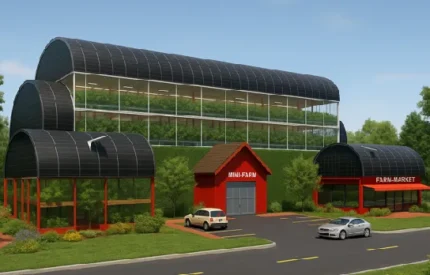
Our Mini-Farm model blends advanced Agritecture with local collaboration, creating spaces where food, energy, and innovation grow side by side. Each site serves as both a food source and a living lab for sustainable progress — proving that the future of farming can be both high-tech and human-centered.Our approach integrates aquaponic food production, smart infrastructure, and scalable farm design to create systems that can be replicated across regions — from rural developments to peri-urban communities.
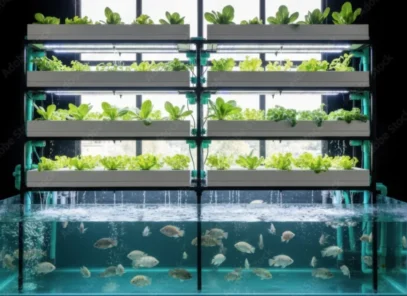
Our long-term goal is to establish a connected network of mini-farm communities that strengthen local food supply while generating economic and environmental value.
About Us
The New Herbanism began as a response to the challenges facing modern agriculture — rising costs, shrinking farmland, and a changing climate. Instead of scaling bigger, we imagined farming smarter: compact, connected, and community-based

Our approach integrates aquaponic food production, smart infrastructure, and scalable farm design to create systems that can be replicated across regions — from rural developments to peri-urban communities.
Highlights
The Project
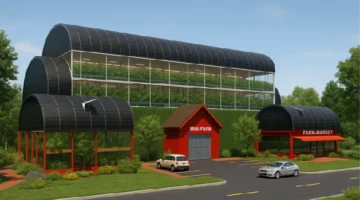
The New Herbanism Mini-Farm Project reimagines underused infrastructure into a productive, scalable system that supports innovation, community resilience, and long-term profitability.
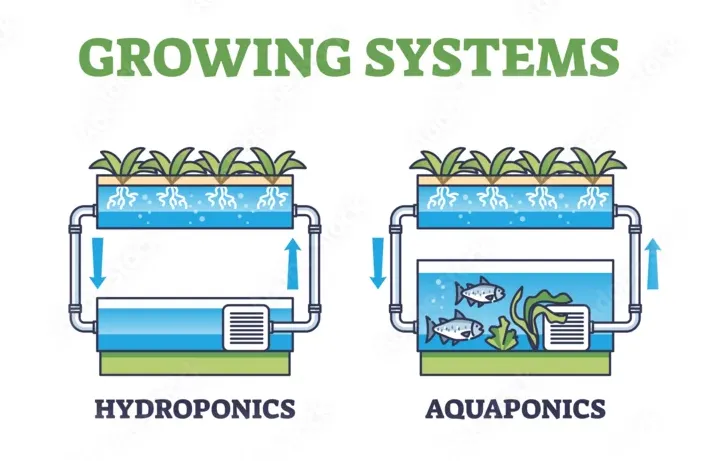
Phase One proposes a network of compact, two-acre, enclosed vertical farms developed along railway and/or highway rights-of-way across Alberta and Saskatchewan. Each facility features a 60-foot-high interior, layered with Aquaponics and Hydroponics, integrated with Solar Panels and Wind Turbines for energy resilience. Designed for year-round production, the Mini-Farms focus on emerging markets such as tropical fruits, specialty vegetables, ornamental plants, and even pet industry crops and hobby-farm animals. With direct road and rail access, they are strategically positioned for efficient distribution to both local communities and export markets.
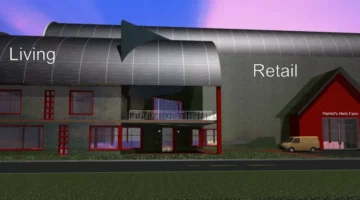
The Main Building will have a Living Componant as well as Eatery + Retail Shop connected internally for access to the products produced therein.

Featured Crops
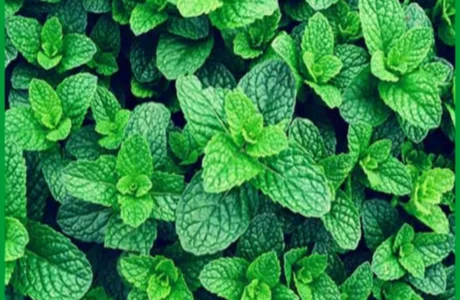
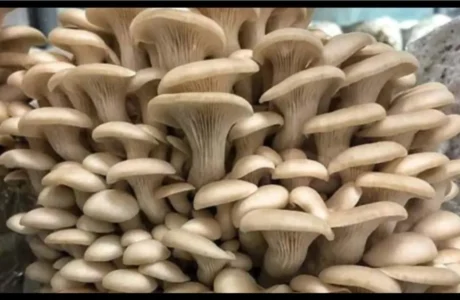
Designed for year-round production, the Mini-Farms focus on emerging markets such as tropical fruits, specialty vegetables, ornamental plants, and even pet industry crops and hobby-farm animals. With direct road and rail access, they are strategically positioned for efficient distribution to both local communities and export markets.
Aquaponics & Koi
- Hardiness and resilience: Koi are known for being tough and can withstand a wide range of water temperatures (around 35°F to 85°F / 2°C to 29°C) and pH levels, making them less susceptible to disease and requiring less maintenance.
- Nutrient production: Koi are excellent at producing the ammonia needed to fuel the aquaponics system. As they metabolize waste, they provide a consistent supply of natural fertilizer for plants, creating a symbiotic cycle where plants help filter the water for the fish.
- Aesthetic value: Their vibrant colors and attractive appearance make them a visually appealing addition to an aquaponics setup, turning a food-production system into an attractive water garden.
- Long lifespan: Koi can live for many years, even decades, making them a long-term, sustainable investment for an aquaponics system.
- Adaptability: They can thrive in a variety of tank sizes, from large ponds to smaller tanks, as long as the system is adequately sized for their potential growth. Lower maintenance: Because they are resilient and can eat a variety of things, including natural substances and food waste, they require less attention than some other fish species.
The Hobby Farm Component (pets who earn their keep)
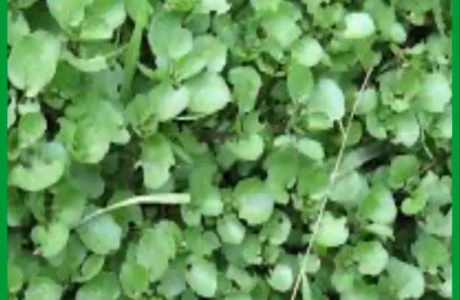
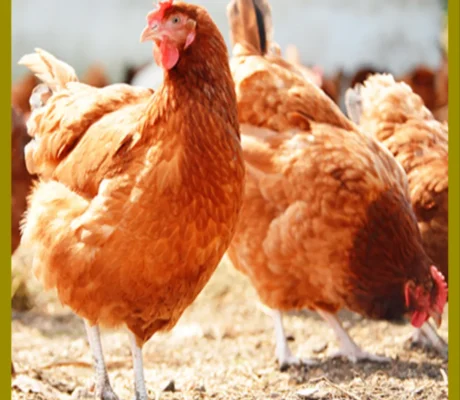
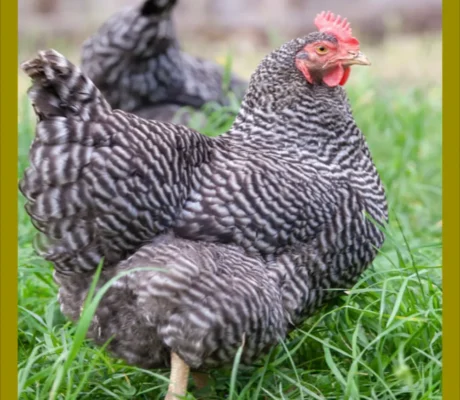
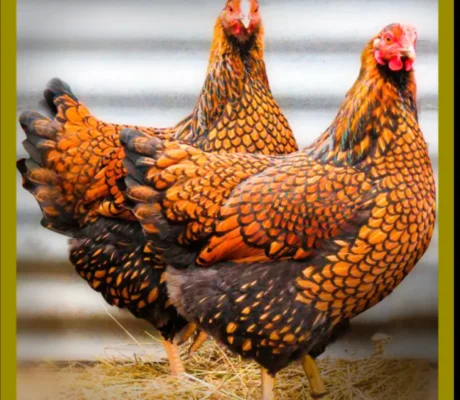
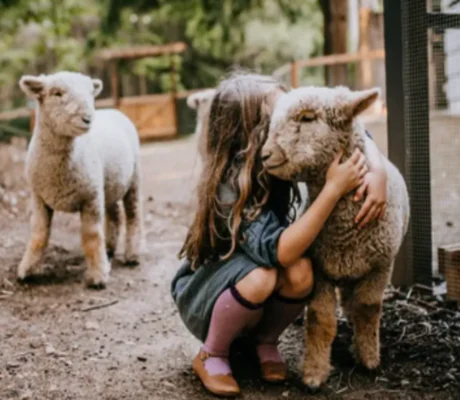
- There is another set of elements that can add heart and soul to the new venture. For lifestyle enhancement Unit 1 will have these additional components — on the inside of the unit we will add these farm-life prospects: a small herd of babydoll sheep and egg-laying hens numbering broods of 3 separate species (Wyandottes, Barred Rocks, and Rhode Island Reds). The sheep and hens will be free to roam the basement level Aquaponics area and the Level 1 Mushroom area. In aid of enhancing those areas for the Mini-farm creatures the paths will be sustained with edible ground-covers — a mixture of Bermuda grass blended with White and Red Clover. A dedicated area for a “scratch surface” for chickens — composed of wood chips, sand, leaves and pine needles — will be contained in a bordered screened-in framework, where purposefully raised insects will include wingless H. illucens (Black Soldier flies), crickets, mealworms, and earthworms. There will be 4 babydoll ewes on each of the two aforementioned layers accompanied by 60 egg-laying hens (20 of each type). The external plantings of berry shrubs will be harvested for food items in the Eatery/Retail Shop



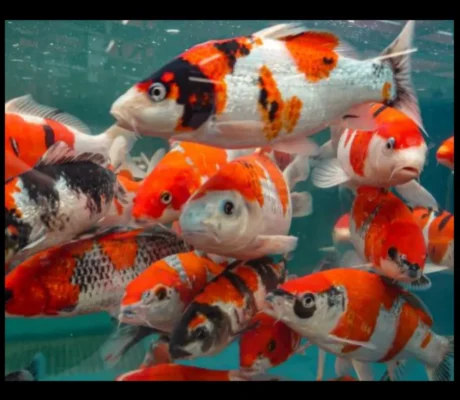


Koi are a great aquaponics species due to their hardiness, adaptability, and ability to produce nutrient-rich waste that benefits plants. They are resilient, can tolerate a wide range of water conditions, and add significant aesthetic value to a system. Their long lifespan also makes them a sustainable, long-term choice for a perpetual aquaponics system
Animals on the Farm
Join the Movement. Help Build the New Herbanism, A living framework where food, education, culture, climate, and entrepreneurship converge.
Investment
Opportunities
The model is entrepreneurial by design: Mini-Farms will be owned and operated by vetted individuals under a federally backed financing program, with AI-assisted automation, robotics, and machine learning helping optimize planting, harvesting, and packaging. By combining sustainable food production with new economic opportunities, the project addresses food security, regional diversification, and climate smart
agriculture.
Fundraising